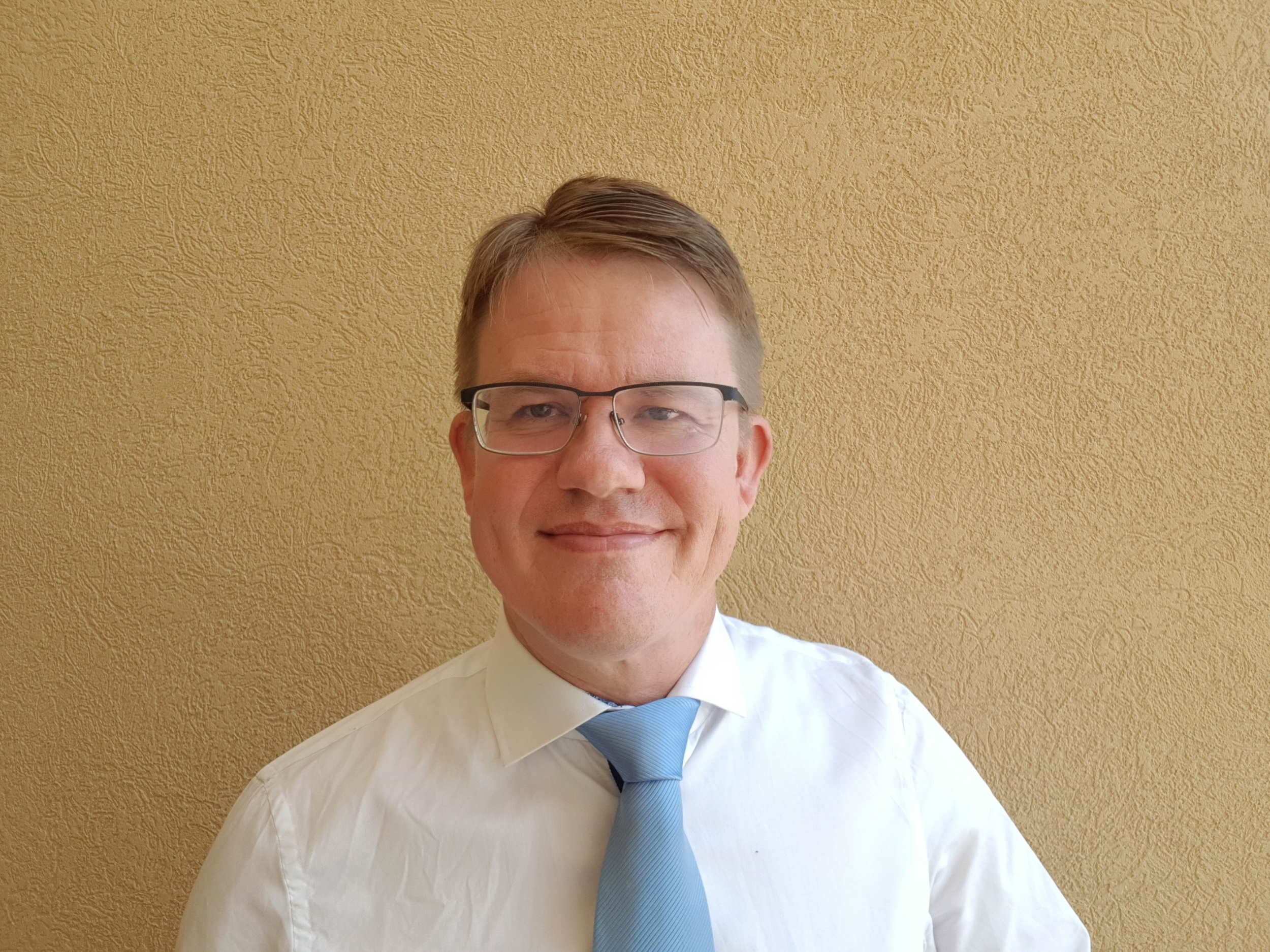
Adriaan Struijk
Operator · Consultant · Sparring partner
When you hire Cambrian Hub, you get me as your account manager and project manager. If you send an email, it reaches me. If we book a call, it's me on the other end. I may bring in developers but keep tight oversight, but the relationship - the brief, the decisions, the call when something needs sorting stays with me.
I have spent my career designing how information moves through businesses. Voice agents, workflow automation, and AI-driven lead engines are the current generation of tools. The job itself - figure out the real bottleneck, design a cleaner way through, build it, make it stick - is the same job it always was.
Why this matters for you
Most operators selling AI automation right now came from marketing, software, or sales. My route in was different.
Most operators selling AI automation right now came from marketing, software, or sales. My route in was different.
I spent a decade as a management consultant on enterprise ERP rollouts across Europe - designing how finance, operations and reporting actually work inside large organisations. Not from the corporate-board level; from the inside, advising the heads of finance and operations whose policies then rolled out across the group. The work taught me how to map a real business, find the part that's broken, and rebuild it without breaking the rest.
Then I spent the next chapter on the other end of the spectrum. I ran a regulated financial services firm, serving hundreds of entrepreneurs. I know what it's like to run a business with payroll on Friday and a problem on Thursday. That's the side of the table most of my clients are on, and it shapes how I scope, price and prioritize.
Those two backgrounds show up in three places:
- A sparring partner, not a vendor. Most owners I talk to are juggling a hundred problems at once. There is never a good moment - and rarely enough head-space - to step back and ask which bottleneck is actually costing the most. That is the conversation I am built for: sitting opposite you, separating the shiny new tool from the real improvement, and being honest about what is worth doing first. Standing still is not really an option any more - the productivity gap between operators who adopt this stack and those who don't is widening every quarter. But you do not need to chase every trend. You need someone in your corner who can tell which trends matter for *your* business.
- Scope discipline. I have seen what happens when consultants give themselves a blank cheque to customize. The answer is usually a system so heavy on maintenance that it's painful to operate. I refuse to do that to a client - especially one whose own money is funding it.
- Operational realism. I know the difference between a demo that impresses and a system that holds up on a Tuesday afternoon when something weird happens. The second one is harder, and the second one is the only one worth building.